NEWS
Why the Circular Economy Needs Flexible Packaging Innovation Now
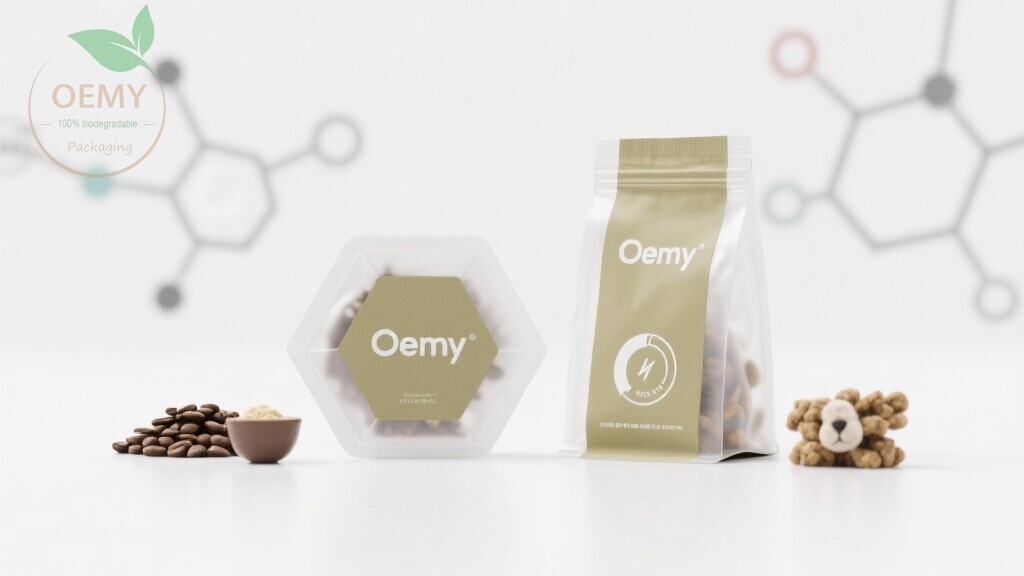
The circular economy demands flexible packaging innovation now more than ever. As pioneers in biodegradable materials, Oemy Packaging presents breakthrough solutions that align with future trends in sustainable packaging. Our fully compostable eight-side seal 3D packaging and stand-up pouches combine coffee packaging preservation technology with pet economy packaging upgrades - delivering green packaging solutions without compromising performance. For businesses seeking durable yet eco-conscious flexible packaging for the circular economy, we offer the perfect balance of innovation and environmental responsibility.
The Urgent Need for Breakthroughs in Biodegradable Materials
Traditional plastic packaging accounts for nearly 40% of global plastic waste, with only 9% being successfully recycled. This alarming statistic underscores why innovations in biodegradable materials represent not just an environmental imperative but a business necessity. The flexible packaging industry must transition toward materials that can integrate seamlessly into circular economic models - where resources are reused rather than discarded.
At Oemy Packaging, our research focuses on home-compostable polymers that degrade within 180 days under typical composting conditions, unlike conventional plastics requiring industrial facilities. These breakthroughs in biodegradable materials maintain the necessary barrier properties for food protection while solving end-of-life disposal challenges. For instance, our Degradable printable kraft paper stand up packaging bag combines plant-based films with cellulose fibers to achieve oxygen transmission rates comparable to multi-layer plastics
Flexible Packaging for the Circular Economy: Design Principles
Transitioning to circular systems requires rethinking packaging architecture at every level. Our eight-side seal 3D packaging exemplifies how structural engineering can minimize material use while maximizing functionality. The patented design increases volumetric efficiency by 30% compared to standard pouches, reducing transportation emissions and shelf space requirements.
Three critical design pillars define successful circular packaging:
- Material Mono-structure: Avoiding multi-material laminates that complicate recycling streams
- Performance-Weight Ratio: Achieving maximum protection with minimal grammage
- User-Centered Functionality: Features like resealable zippers that extend product lifespan
These principles converge in our stand-up pouches for convenient consumption, which have passed rigorous ISTA 3A testing for e-commerce distribution while remaining fully compostable. The integration of coffee packaging preservation technology - including light-blocking layers and one-way degassing valves - demonstrates that sustainability needn't sacrifice freshness protection.
Pet Economy Packaging Upgrades: A Case Study in Innovation
The $260 billion global pet care market presents unique challenges for sustainable packaging. Pet food requires exceptionally high barrier properties against fats and odors, traditionally met by non-recyclable multi-layer plastics. Our solution leverages nanotechnology to create biodegradable films with:
- Oil resistance up to 120°C
- Aroma retention exceeding 98% over 12 months
- Home-compostable certification (EN13432, ASTM D6400)
This pet economy packaging upgrade has helped premium brands reduce their carbon footprint by up to 70% while maintaining the 18-month shelf life consumers expect. The success underscores how sustainable packaging innovation can create competitive advantages in niche markets.
Future Trends in Flexible Packaging: The Next Decade
As EPR (Extended Producer Responsibility) regulations expand globally, forward-thinking companies are adopting these emerging technologies:
1. Bio-Based Indicators
Time-temperature and freshness indicators printed with food-safe algae inks that change color at specific degradation stages.
2. Digital Watermarks
Nearly invisible coding enabling precise sorting of compostable packaging in waste streams, currently being piloted with HolyGrail 2.0 initiative.
3. Active Material Recovery
Enzyme-embedded films that accelerate breakdown only when exposed to specific composting conditions, preventing premature degradation.
Oemy Packaging's R&D team is actively developing these green packaging solutions, with pilot programs available for strategic partners. Our Degradable printable kraft paper stand up packaging bag already incorporates first-generation digital watermarking technology.
Conclusion: Balancing Sustainability with Performance
The circular economy transition isn't about compromising protection for environmental benefits - it's about achieving both through intelligent design. From eight-side seal 3D packaging to advanced biodegradable laminates, today's technologies can meet even the most demanding applications.
As a Guangdong-based innovator with manufacturing facilities in Dongguan and Guangzhou, Oemy Packaging combines regional supply chain advantages with global sustainability standards. Our certifications include:
- OK Compost HOME (TÜV Austria)
- FDA 21 CFR Compliance
- BRCGS Packaging Materials AA Grade
For technical assessment teams and corporate decision-makers ready to transform their packaging portfolio, we offer complimentary material samples and lifecycle analysis reports. Contact our sustainable packaging specialists today to schedule a consultation on circular economy solutions tailored to your product requirements.
Awesome! Share to:
Related Posts
- ◉ Is Your Coffee Packaging Preserving Flavor as Well as It Could?
- ◉ What Technical Evaluators Need to Know About 3D Packaging
- ◉ How to Choose Between Stand-Up Pouches and Traditional Packaging
- ◉ The Pet Economy Demands Better Packaging - Here's What's Changing
- ◉ Coffee Packaging Preservation Technology That Extends Freshness
Get in Touch
*We respect your confidentiality and all information are protected.